
Are you feeling like you’re eating less, exercising, and doing everything “right”, but still not losing weight?
You’re not alone!
One of the biggest misconceptions in weight loss is that success comes down to calories alone. For years, we’ve been told that weight loss is simply a matter of eating less and moving more. While calories do matter, they are only one piece of a much larger story.
The truth is that weight loss is about much more than what you eat. It’s about how your body processes energy, burns fuel, manages hormones, supports cellular health, and responds to stress.
This is why two people can follow the exact same plan and get completely different results.
At Juve Wellness, we believe that once you understand your body, you can change your life. Let’s take a closer look at what may be happening beneath the surface.

Metabolism Is More Than Calories In vs. Calories Out
Most people think of metabolism as a number.
A fast metabolism.
A slow metabolism.
In reality, metabolism is the sum of thousands of processes happening inside your body every second. It determines how efficiently you convert food into energy, how you regulate blood sugar, how you recover from exercise, and how effectively you burn fat.
When your metabolism is functioning well, your body can access stored energy and use it efficiently. When it isn’t, your body becomes more likely to conserve energy and hold onto weight. This is why simply eating less doesn’t always lead to the results you expect.
Cellular Health: The Missing Piece of Weight Loss
Every function in your body depends on energy. That energy is produced inside tiny structures within your cells called mitochondria.
Think of mitochondria as your body’s power plants. Their job is to take the food you eat and convert it into usable energy that powers everything from your muscles and brain to your immune system and metabolism.
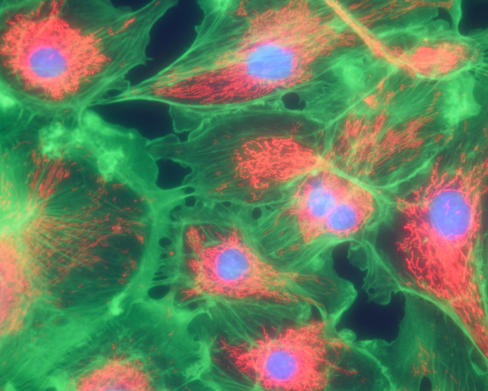
When mitochondria are functioning efficiently, your body is better able to burn both glucose and fat. When they are not functioning optimally, energy production slows, fatigue increases, and weight loss can become much more difficult. This is one reason why some people can eat well and exercise consistently yet still struggle to lose weight. The issue isn’t always calories. Often times it’s energy production.
The Benefits and Risks of GLP-1 Medications
GLP-1 medications have transformed weight loss for many people. By reducing appetite and slowing digestion, these medications can help people consume fewer calories and achieve meaningful weight loss. However, there is an important caveat. Not all weight loss is healthy weight loss. When appetite decreases dramatically, many people unintentionally reduce their intake of protein and other essential nutrients. Over time, this can lead to loss of muscle mass along with fat. That’s a problem because muscle is one of the most important drivers of metabolic health. Without proper support, a person may lose weight on the scale while simultaneously slowing the very metabolism that helped them lose it. This is why we emphasize supporting the body while using GLP-1 medications rather than relying on the medication alone.
Why Eating the Right Foods Matters
Food is information. Every meal sends signals to your body. Protein tells your body to preserve muscle and repair tissue. Healthy fats support hormone production and cellular health. Complex carbohydrates provide fuel for energy production and physical activity. When nutrition becomes imbalanced, the body receives mixed signals. One of the most common patterns we see is inadequate protein intake. Protein is essential for maintaining muscle, supporting metabolism, and helping the body burn energy efficiently.
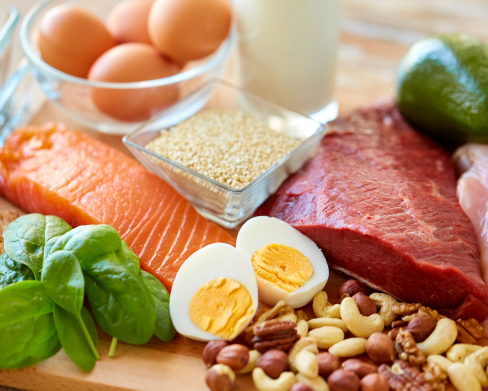
A simple goal for many adults is to consume approximately one gram of protein per pound of ideal body weight, or at minimum to begin working toward 75 grams per day.
Starting the day with 25-30 grams of protein can make a significant difference in appetite regulation, energy levels, and long-term metabolic health.
Why Muscle Matters More Than Most People Realize
If there is one thing that predicts long-term weight loss success, it may be muscle. Muscle is your metabolic engine. It helps your body use glucose effectively, improves insulin sensitivity, and increases the amount of energy you burn each day. This is why resistance training is so important.
Many people focus exclusively on cardio when trying to lose weight. While cardiovascular exercise has tremendous benefits, resistance training provides a unique advantage by helping preserve and build lean muscle mass.
More muscle means:
- Better blood sugar control
- Improved metabolic flexibility
- Greater energy expenditure
- Improved long-term weight maintenance
The goal isn’t to become a bodybuilder. The goal is to build and preserve the tissue that keeps your metabolism working efficiently.

How Do You Know If Your Weight Loss Is Healthy?
Healthy weight loss isn’t just about a smaller number on the scale. It’s about improving body composition.
That means:
- Losing fat
- Preserving muscle
- Improving energy
- Supporting metabolic health
Some signs your weight loss is moving in the right direction include:
- Improved energy
- Better sleep
- Better blood sugar control
- Increased strength
- Reduced inflammation
- Improved mood and mental clarity
If you’re losing weight but feeling weaker, more fatigued, or less resilient, it’s worth taking a closer look at what’s happening beneath the surface.
Gut Health and Weight Loss Resistance
Your gut plays a much larger role in weight loss than most people realize. A healthy digestive system allows you to:
- Absorb nutrients efficiently
- Eliminate waste effectively
- Support healthy hormone balance
- Maintain a balanced microbiome
Many people struggling with weight also struggle with constipation, bloating, sluggish digestion, or microbial imbalances.
When digestion slows, inflammation can increase and nutrient absorption may suffer. This creates an environment where the body becomes more protective and less willing to release stored energy. In other words, if your gut isn’t functioning well, your metabolism may not be either.
Why Hormones Matter: Cortisol and Estrogen
Hormones help determine whether your body burns energy or stores it. One of the most important hormones involved in weight loss is cortisol. Cortisol is your primary stress hormone. When cortisol remains elevated for long periods of time, the body begins to prioritize survival over fat loss.
High cortisol can:
- Increase blood sugar
- Raise insulin levels
- Promote fat storage
- Break down muscle tissue
- Increase cravings
This is one reason chronic stress can make weight loss feel nearly impossible. Estrogen also plays an important role. During perimenopause and menopause, shifting estrogen levels can change how and where the body stores fat. Many women notice increased abdominal weight gain despite maintaining the same habits they’ve always followed. Over time, the hormonal environment has changed. Understanding those changes allows us to work with the body rather than against it.
Why Testing Matters
One of the biggest mistakes people make is assuming they know why they aren’t losing weight. The reality is that symptoms are clues, not answers. This is why we often recommend testing rather than guessing.
Advanced testing can help us identify:
- Nutrient deficiencies
- Oxidative stress
- Mitochondrial dysfunction
- Hormonal imbalances
- Gut dysfunction
- Metabolic inefficiencies
Once we understand what’s happening inside the body, we can create a plan that addresses the root causes rather than simply chasing symptoms.
The Bottom Line
If you’re eating less, exercising, and still not losing weight, it doesn’t mean you’re failing. It means your body may need additional support. Weight loss is not simply a matter of willpower. It’s a reflection of metabolism, muscle mass, gut health, hormones, nutrient status, cellular energy production, and overall resilience.
When you give your body the tools, and support it needs to function optimally, something remarkable happens:
Your body begins to feel safe enough to let go of stored weight.
At Juve Wellness, we believe that once you understand your body, you can change your life.