
Often times, we think about our health only after something goes wrong. A diagnosis, a new symptom or an ache that we can’t ignore. A shift happens that we can’t ignore. But long before that moment, changes are happening quietly, at the cellular level.
One of the earliest and most important of these changes is oxidative stress.
Understanding Oxidative Stress
Every day, your body produces free radicals. These are unstable molecules created through normal metabolism, but also influenced by:
- Stress
- Poor diet
- Alcohol
- Environmental toxins
- Lack of sleep

When these molecules build up faster than your body can neutralize them, they begin to damage cells, proteins, and DNA. This process is known as oxidative stress.
Over time, oxidative stress becomes one of the key drivers of chronic inflammation, which is at the root of many modern diseases liked heart disease, diabetes, dementia, and accelerated aging.
The Power of Antioxidants and Polyphenols
Prevention and true wellness are key, and this is where antioxidants come in.
Antioxidants are compounds that help neutralize free radicals before they can cause damage. They act as a buffering system; their primary goal is to protect cells and help the body maintain balance in the face of daily stressors. But not all antioxidants are created equal, and not all sources are equally effective.
One of the most important groups of antioxidants are polyphenols.
Polyphenols are naturally occurring compounds found in plant-based foods. They are particularly powerful because they don’t just neutralize oxidative stress, they also influence inflammation, gut health, and even how your genes are expressed.
Powerful Sources to Include:
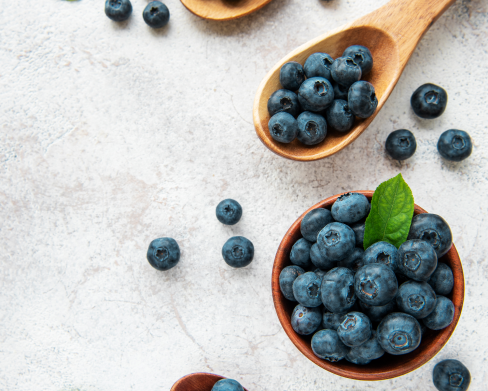
Blueberries
One of the richest sources of polyphenols, particularly anthocyanins, which give them their deep color. These compounds have been shown to support brain health, reduce inflammation, and protect against cellular aging. This is one of the reasons I often tell clients to start with something as simple as adding a cup of blueberries into their daily routine. It’s a small shift with meaningful impact over time.
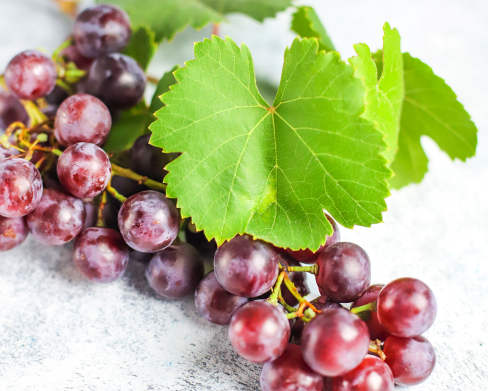
Resveratrol
Another well-known polyphenol found in grapes and red wine, has been studied for its role in supporting cardiovascular health and longevity pathways. It works in part by activating cellular defense systems and improving mitochondrial function, which is critical for energy and overall resilience.

Other Sources
Green tea, dark chocolate, olive oil, and a wide variety of colorful vegetables and herbs.
What these foods have in common is not just their antioxidant capacity, but their ability to support the body in a more integrated way. Driving down inflammation, improving both the gut microbiome, and metabolic function simultaneously.
Is Your Body Giving You Early Signals?
When your antioxidant intake is too low, or your exposure to stress is too high, your body begins to fall behind. This is when you might start to notice subtle but persistent symptoms:
- Fatigue that doesn’t resolve with rest.
- Brain fog.
- Skin that looks dull or inflamed.
- Slower recovery from workouts or illness.

These are often early signals that oxidative stress is outpacing your body’s ability to manage it. Over time, this imbalance doesn’t just affect how you feel, it affects how you age.
The Brain and Neuroinflammation
One of the most overlooked areas impacted by oxidative stress is the brain. Neuroinflammation, or inflammation within the brain, is increasingly recognized as a contributor to mood changes, cognitive decline, and neurodegenerative diseases.
What’s important to understand is that this process often begins outside the brain, driven by systemic inflammation and gut imbalance. This is why a root-cause approach matters.
The Juve Approach
At Juve, we don’t look at symptoms in isolation. We look at how your systems are interacting. How your gut, your metabolism, your hormones and your brain harmonize together. We use that information to build a plan that supports your body as a whole.
Antioxidants are a foundational part of that plan, but they are not the entire story. They work best when combined with proper nutrition, sleep, stress regulation, and targeted support based on your individual biology.
Because prevention and true wellness don’t start when something is wrong, they start when things still feel “mostly fine.”
Your body is constantly giving you information. The question is whether you know how to interpret it, and what you do next.
Once you understand your body, you can change your life. We show you how.