
Feeling your heart race, skip beats, or flutter can be unsettling.
For many people, these sensations can appear suddenly.
A pounding heartbeat. A skipped beat. A brief flutter in the chest.
These sensations are often called heart palpitations.
The first reaction is usually fear that something is wrong with the heart itself.
But the heart is rarely acting alone.
Like many symptoms in the body, heart rhythm often reflects signals coming from other systems.
The Heart Is Deeply Connected to Other Systems
Your heart responds to constant signals from the nervous system, hormones, metabolism, and electrolytes.
Changes in any of these systems can influence heart rhythm.
For example, heart palpitations may be triggered by blood sugar fluctuations, chronic stress and cortisol changes, low magnesium or potassium, hormonal shifts during perimenopause, dehydration, or inflammation.

Because these systems interact with the heart, rhythm changes can sometimes reflect imbalances occurring elsewhere in the body.
The Nervous System and the Heart
One of the strongest influences on heart rhythm is the autonomic nervous system.
This system regulates the body’s stress response.
When the body perceives stress, the nervous system activates the fight‑or‑flight response.
Heart rate increases. Blood vessels tighten. Adrenal hormones rise releasing adrenaline.
In short bursts, this response is protective.
But when stress signals remain elevated for long periods, the nervous system can become more reactive.
This may show up as palpitations, anxiety, sleep disruption, or fatigue.
Inflammation and Metabolic Stress Can Also Play a Role
Inflammation and insulin resistance can influence cardiovascular function.
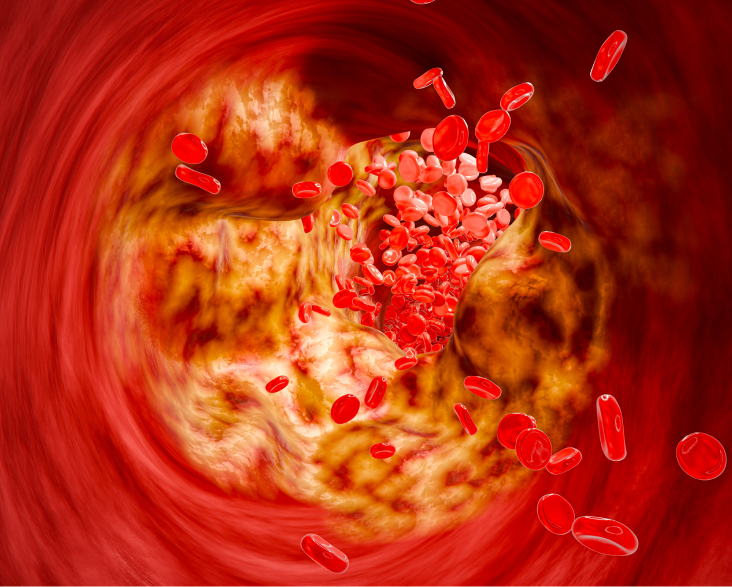
Inflammation affects the lining of blood vessels. Insulin resistance alters how the body regulates energy and blood sugar.
These shifts can influence vascular tone, nervous system signaling, and electrolyte balance, all of which can affect your heart rhythm.
Supporting the Systems That Support the Heart
When serious cardiac conditions have been ruled out, addressing underlying systems can often help stabilize symptoms.
Supporting heart health often involves supporting the whole body: stable blood sugar, adequate hydration, balanced electrolytes, quality sleep, stress regulation, and regular movement.
These changes help calm the nervous system, support your metabolic health, and improve overall cardiovascular resilience and heart health.
Listening to the Body’s Signals
Heart palpitations should always be evaluated by a healthcare professional.
But once serious issues are ruled out, they can also serve as important signals.
They may reflect stress on the nervous system, nutrient depletion, inflammation, or metabolic imbalance.
When we step back and look at the systems involved, the body’s signals often begin to make sense.

Ready to Look at the Bigger Picture of Your Heart Health?
If you experience palpitations, irregular heartbeats, fatigue, or other cardiovascular symptoms, it may be helpful to look beyond the symptom itself.
At Juve Wellness, we evaluate heart health through a systems‑based lens. We consider inflammation, metabolic health, nutrient status, nervous system balance, and lifestyle factors that influence cardiovascular function.
If you would like help understanding what your body may be signaling, we would be happy to guide you.
Schedule a consultation with one of our providers at Juve Wellness to begin exploring the systems that support your heart.
Your body is constantly communicating. Sometimes we just need to listen more closely.