
At Juve, we talk a lot about feeling better from the inside out. Brain health sits at the center of that conversation, because how we think, feel, focus, and regulate our emotions is deeply influenced by what we eat and how we move through our days.
The science is clear: food choices and mindfulness practices work together through shared biological pathways that affect inflammation, stress hormones, neurotransmitters, and the gut–brain connection. When these systems are supported, the brain becomes more resilient, balanced, and clear.
Your Brain Is a High-Energy Organ
Although the brain represents only a small percentage of total body weight, it uses roughly 20% of the body’s energy. That means the quality of fuel you provide matters, every single day.
Whole, nutrient-dense foods provide the building blocks for neurotransmitters, hormones, and cellular repair. When nutrition is lacking or highly processed, the brain often signals distress first: brain fog, irritability, fatigue, anxiety, and low mood are common early signs.
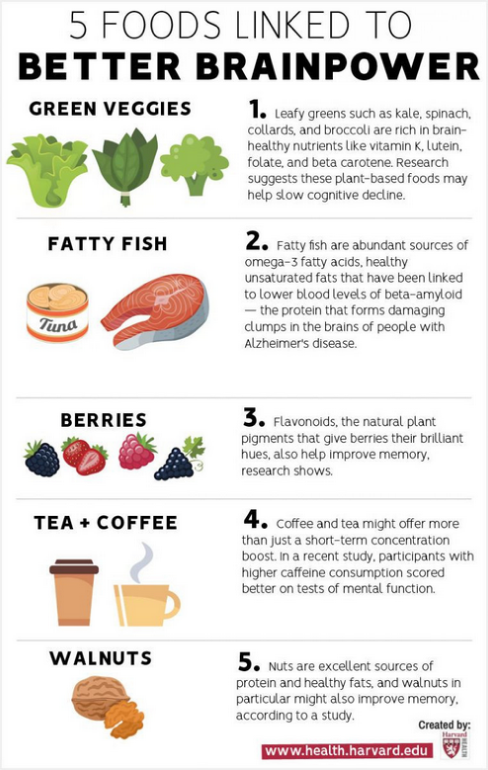
Blood Sugar Balance = Mood Balance
Glucose is the brain’s primary fuel source, but stability is key. Diets high in refined carbohydrates and sugar can cause rapid spikes and crashes in blood sugar, which are commonly linked to:
- Irritability and anxiety
- Fatigue and low motivation
- Difficulty concentrating
- Mood swings
Meals built around fiber, protein, and healthy fats help maintain steady blood sugar, supporting sustained energy, clearer thinking, and more even moods throughout the day.
Nutrients That Support Brain Chemistry
The brain relies on specific vitamins and minerals to function optimally:
- B vitamins support neurotransmitter production and mood regulation
- Magnesium helps calm the nervous system and support stress resilience
- Iron and zinc play essential roles in oxygen delivery and synaptic signaling
Deficiencies, largely driven by a poor diet, can show up as anxiety, low mood, or mental fatigue. Whole foods remain the most effective way to nourish these pathways.

Inflammation: A Hidden Driver of Brain Fog and Mood Changes
Chronic inflammation is increasingly linked to depression, anxiety, and cognitive decline. Diets high in ultra-processed foods, trans fats, and excess sugar promote inflammatory signaling that interferes with neurotransmitter function and brain cell communication.
Anti-inflammatory foods such as omega-3-rich fish, colorful fruits and vegetables, herbs, and spices all help protect brain cells, reduce oxidative stress, and support long-term cognitive health.
The Gut–Brain Connection
One of the most powerful (and often overlooked) influences on brain health is the gut–brain axis. The gut microbiome, shaped largely by diet, plays a critical role in inflammation, immune balance, and neurotransmitter production.
Fiber-rich diets support beneficial gut bacteria that produce compounds with neuroprotective effects. Diets dominated by processed foods can disrupt this balance, contributing to inflammation, brain fog, and mood instability. Because a large portion of serotonin is produced in the gut, digestive health and emotional health are deeply intertwined.
Why Mindfulness Matters for the Brain
Nutrition alone does not tell the full story. Mindfulness practices—including mindful eating, meditation, breathwork, and gentle movement—play a critical role in regulating the nervous system.
Chronic stress keeps the body in fight-or-flight mode, increasing cortisol and disrupting sleep, digestion, mood, and cognitive function. Over time, this stress response can impair memory, emotional regulation, and neuroplasticity.
Mindfulness helps shift the body into a parasympathetic, or “rest-and-digest,” state, which supports:
- Lower stress hormone output
- Improved emotional regulation
- Better focus and mental clarity
- Healthier digestion and gut–brain signaling

Mindful Eating: Where Food and Awareness Meet
Mindful eating is where nutrition and mindfulness intersect. Eating slowly, without distraction, and paying attention to hunger cues and satiety supports digestion, blood sugar balance, and emotional regulation.
It also helps reduce stress-driven eating and builds awareness of how food actually makes the body feel, empowering better choices over time.
Building Brain Health, One Choice at a Time
Over time, dietary patterns and daily stress habits influence the risk of cognitive decline and neurodegenerative disease. Diets rich in whole foods and healthy fats support brain structure, while mindfulness reduces chronic stress and inflammation, two major drivers of neurological aging.
Together, food and mindfulness create a powerful, preventative approach to brain health that supports both short-term mental clarity and long-term cognitive resilience.
A Juve Invitation
At Juve, we don’t believe in one-size-fits-all wellness. We help clients understand their brain and nervous system through personalized care that blends nutrition, functional testing, IV therapy, supplements, and guided lifestyle support.
If you’re experiencing brain fog, mood changes, fatigue, or chronic stress, we invite you to take the next step:
- Book a Juve Wellness consultation to explore personalized nutrition and nervous system support
- Ask about our IV and supplement programs designed to support brain health, energy, and resilience
- Join our Juve Wellness community to learn how small, daily choices can create lasting change
Your brain health is not something to postpone.