
What shows up on your skin often starts inside your body. Low‑grade, long‑running inflammation (“inflammaging”) speeds collagen loss and dullness. You can calm inflammation, protect your body against free radicals, and support collagen with smart nutrition, lifestyle, and clean skincare to help your skin look, and act, younger at any age.
Why age isn’t the main story
Conventional wisdom says to brace for “inevitable” changes as the candles add up. But the newest thinking points to biology over birthdays: it’s the internal state of your skin, especially chronic, low‑grade inflammation. Inflammation that drives visible aging far more than the number on your cake.
When inflammation flickers on and never fully turns off, it disrupts the normal repair cycle your skin relies on. The result: slower cell turnover, less bounce, more fine lines, and a crepey look that doesn’t reflect how vibrant you feel.
Inflammation: the (quiet) accelerant of skin aging
Inflammation is a vital, short‑term defense that should switch off once you’ve healed. When it lingers, circulating immune factors can start to chip away at healthy processes, including skin renewal and youthful glow.
Common internal triggers of low‑grade inflammation
- Undiagnosed food sensitivities and/or a “leaky” gut barrier
- A high‑sugar, highly processed diet
- Additives, artificial sweeteners, and trans fats
- Stress and poor sleep
- Drinking alcohol
- Hormone imbalances
- Medication or toxin overload
- Sedentary lifestyle
- Autoimmune processes


Common external triggers
- Unprotected sun exposure and harsh weather
- Microbial overgrowths or infections
- Air pollution and environmental toxins
- Smoking (including secondhand)
- Irritants in personal‑care products
Collagen: why inflammation is its worst enemy
Collagen is the scaffolding that keeps skin firm, smooth, and resilient. We naturally make less of it with time and stress. Chronic inflammation makes matters worse by disrupting fibroblasts (the cells that build collagen and elastin), while inflammatory enzymes break existing collagen down faster than you can replace it.
Diet plays a role, too. High‑glycemic, sugary foods fuel a chemical process called glycation, where sugar molecules attach to proteins like collagen, changing their shape and resilience, a phenomenon often nicknamed “sugar sag.”
The upside: Calm the inflammatory sparks and nourish from within, and you can help reactivate natural collagen renewal. Some people also choose to add a collagen supplement; if you do, look for third‑party testing and discuss it with your clinician if you have medical conditions.
The 2‑Step Plan to Repair from the Inside Out
Think of this as a two‑front strategy: (1) neutralize free radicals and (2) build resilience so your skin can repair, renew, and protect itself.

Neutralize free radicals (the spark)
Free radicals are unstable molecules that “borrow” electrons from your cells, setting off tiny damage cascades. Antioxidants donate electrons safely, helping to steady the system.
Antioxidant‑rich habits
- Eat the rainbow daily. Aim for 7–10 servings of colorful vegetables and fruits (vitamin C, carotenoids, polyphenols).
- Choose healthy fats. Nuts, seeds, olive oil, and fatty fish supply vitamin E and supportive lipids.
- Sip smart. Green tea, cocoa, and deeply colored berries provide bioflavonoids.
- Consider targeted nutrients (talk to your clinician):
- Vitamin C
- Vitamin E (including tocotrienols)
- Coenzyme Q10 (ubiquinol)
- Alpha‑lipoic acid (ALA)
- Carotenoids (e.g., beta‑carotene, lutein)
- Bioflavonoids
- DMAE (commonly found in fish)
Topical support
- Morning antioxidant serums (e.g., vitamin C with supportive antioxidants) can help defend against daily oxidative stress.
- Follow with broad‑spectrum SPF 30+ every day, year‑round.

Boost skin’s repair capacity (the system)
- Balance blood sugar. Center meals on protein, fiber, and healthy fats; scale back refined carbs to reduce glycation.
- Prioritize protein. Skin needs amino acids (especially glycine and proline) for collagen building.
- Move daily. Even brisk walking improves circulation and supports repair.
- Manage stress and sleep. Elevated cortisol and poor sleep quality amplify inflammation.
- Support gut integrity. Whole foods, fermented foods (if tolerated), and adequate fiber can help.
- Sun‑smart habits. Sunscreen, shade, hats, and UV‑protective clothing prevent the single most powerful external aging trigger.
- Quit smoking and avoid smoke exposure. It’s a collagen killer.
- Lighten the toxic load. Choose gentler household and personal‑care products when possible.
Clean up your routine: ingredient awareness
Many people use 5–12 personal‑care products daily. If your skin is reactive or you’re aiming to reduce potential irritants, check labels and patch‑test new items. Some people prefer to avoid:
- Phthalates
- Propylene glycol
- Sodium lauryl sulfate (SLS)
- Parabens
Regulations vary by region, and not all ingredients affect everyone the same way. When in doubt, look for transparent brands that share full ingredient lists and third‑party testing, and consult reputable databases or professional guidance.

Morning
- Gentle, non‑stripping cleanse
- Antioxidant serum (vitamin C + companions)
- Lightweight moisturizer to support barrier function
- Broad‑spectrum SPF 30+
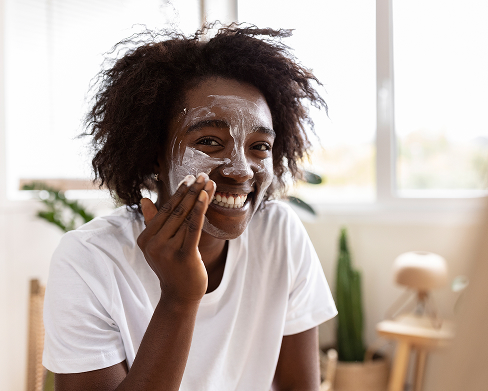
Evening
- Double cleanse if you wear sunscreen/makeup
- Hydrating serum (e.g., humectants like glycerin or hyaluronic acid)
- Barrier‑supporting moisturizer (look for ceramides, cholesterol, fatty acids)
- Optional: a well‑tolerated retinoid a few nights per week for collagen support.
Diet and lifestyle checklist (save this)
 7–10 servings of colorful plants daily.
Swap refined carbs for high-fiber vegetables and seeds
Include protein at each meal. You should be eating roughly half of your body weight each day in protein. If you weigh 150lbs, target 75g of protein intake daily.
Daily movement (aim for 30 minutes per day)
7-9 hours of quality sleep
Incorporate a stress or mindfulness practice (breathwork, time in nature, hum, meditate, listen to music)
Smoke free environment
Limit alcohol
Ensure daily bowel movements.
The big picture
Your mirror reflects your biology more than your birthday. By calming inflammation, neutralizing free radicals, and supporting collagen from the inside out, you give your skin the conditions it needs to stay firm, bright, and resilient, today and years from now.
Reminder: This article is educational and not medical advice. If you have skin conditions or take medications, check with your healthcare provider before changing your routine or starting supplements.